How to Help an Elderly Patient Feel Safe During Bathing and Personal Hygiene

iSavta | 23.05.2026
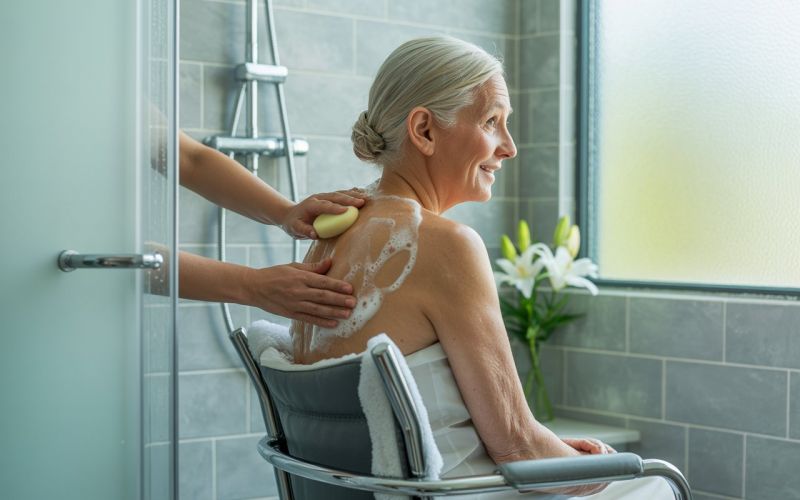
Bathing and personal hygiene care is one of the most sensitive parts of caregiving. For elderly patients, needing help to wash themselves can feel embarrassing or uncomfortable. As a caregiver, your job is not only to keep your patient clean — it is also to help them feel respected and at ease during what can be a very personal moment.
If you handle hygiene care with patience, gentleness, and a calm attitude, your patient will trust you more, cooperate better, and feel more dignified throughout the process.
Why Elderly People Sometimes Resist Bathing
Before you can help effectively, it helps to understand why some elderly patients resist or fear bathing. Common reasons include:
- Fear of falling — Bathrooms can feel slippery and unsafe
- Pain or discomfort — Moving and undressing may cause pain
- Confusion — Patients with dementia may not understand what is happening
- Embarrassment — Losing privacy can feel humiliating
- Cold temperature — Elderly people often feel cold more easily
- Past bad experiences — A frightening fall or rough handling in the past can leave lasting fear
Understanding these reasons helps you respond with empathy instead of frustration.
Before You Start: Prepare the Bathroom
Good preparation makes the experience safer and less stressful for both of you. Before bringing your patient to the bathroom:
- Make sure the water temperature is warm and comfortable — test it yourself first
- Place a non-slip mat inside the shower or bathtub
- Have all supplies ready: towels, soap, shampoo, fresh clothes, and a chair or shower bench if needed
- Make sure the bathroom is warm — elderly patients lose body heat quickly
- Check that the floor outside the bathroom is dry and clear of obstacles
Always keep one hand on your patient while they are moving in or out of the shower or bathtub. Never turn your back on a patient who is standing near water.
How to Communicate During Hygiene Care
Communication is just as important as technique. Here is how to make the experience calmer and more comfortable:
- Always explain what you are going to do before you do it. For example: "I am going to wash your hair now. Is that okay?"
- Ask for permission before touching — this shows respect
- Use a gentle, calm voice — do not rush or sound impatient
- Allow the patient to do as much as they can themselves — independence builds confidence and dignity
- Avoid criticizing or commenting negatively on the patient's body
Helpful Techniques for Safe Bathing
For patients who can stand:
Use a shower chair or bench so they do not have to stand the whole time. Stand close but give them space. Use a handheld shower head for easier rinsing.
For patients who cannot stand:
A bed bath is a gentle and effective option. Use warm water, soft cloths, and gentle soap. Work from the face down, and cover areas that are not being washed to keep the patient warm and preserve modesty.
For patients with dementia:
Keep a consistent routine — same time, same steps, same words. Use simple instructions one at a time. Singing softly or playing familiar music can help calm anxiety. If they refuse strongly on a particular day, try again later rather than forcing it.
Skin Care After Bathing
Elderly skin is fragile and dries out easily. After every bath:
- Pat the skin dry gently — do not rub
- Apply moisturizing lotion, especially on legs, arms, and feet
- Check for any redness, rashes, sores, or broken skin
- Pay attention to skin folds and areas that are often overlooked, like between toes and under the arms
If you notice any unusual skin changes, note them and inform your employer or the patient's family.
Bathing care done well is one of the most meaningful things you can do for your patient. When they feel clean, comfortable, and respected, it lifts their mood and helps them feel cared for as a whole person. With preparation, gentle communication, and steady hands, you can make hygiene care a positive daily experience rather than a stressful one.