Purim Amid Conflict: How Israel Is Observing the Festival During Escalated Iran Tensions

iSavta | 02.03.2026
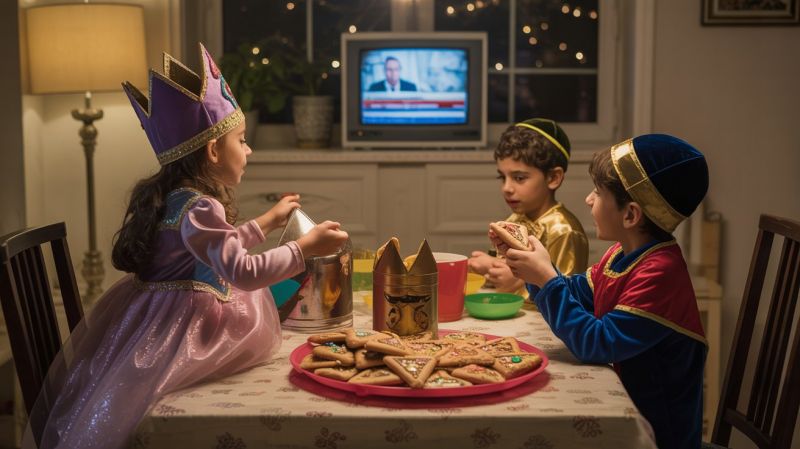
Purim is one of the most joyous holidays on the Jewish calendar — a time when families dress in costumes, give food gifts to friends, and gather for festive meals to celebrate the ancient Jewish victory over a plan of destruction in Persia, modern-day Iran. This year, however, Purim arrives at a deeply sobering moment: Israel is experiencing an unprecedented escalation with Iran following a joint military strike involving Israel and the United States against Iranian targets.
What’s Happening Now?
As the Purim holiday approached, missile sirens sounded across Israeli cities. The government declared a state of emergency, closed schools and workplaces, and banned public gatherings to ensure civilian safety. Many Israelis have been heading to bomb shelters as Iranian missiles strike and air defenses respond.
Public celebrations and synagogue services traditionally central to Purim have been disrupted. Large gatherings, parades, and community feasts have been canceled or heavily restricted in many areas because of the security situation. Authorities have discouraged public festivities to reduce risk to life from potential missile strikes or other violence.
Home Front Command — Israel’s civil defense agency — continues to issue alerts and instructions in Hebrew, Arabic, and English, emphasizing shelter protocols, routes to safe zones, and when to stay indoors. Even places of worship have been shuttered or limited to essential personnel.
Yet despite the fear and uncertainty, many communities are finding ways to acknowledge Purim’s message of resilience and survival. Some families are celebrating quietly at home. In several cities, bomb shelters — often stark, concrete spaces — have been transformed into impromptu gathering spots where children in costumes play and adults share stories of hope, turning a place of refuge into a small symbol of community.
Reflections on the Irony
The holiday’s story — where the Jewish community in ancient Persia was saved from a decree of destruction — resonates deeply now. Some Israelis have pointed to the timing as “fateful,” noting that Purim, which commemorates survival against odds, now coexists with modern geopolitical tensions rooted in the region that was once ancient Persia.
Tips for Caregivers (Foreign Workers) During Purim and Escalation
For foreign caregiver workers such as overseas helpers, health aides, or live-in caregivers in Israel, security developments can be especially stressful:
-
Register with the Philippine Embassy or your home country’s diplomatic mission — this ensures you are on official contact lists for emergency alerts and assistance.
-
Know the location of the nearest bomb shelter or safe room — Israeli civil defense systems rely on these shelters during missile alerts. Have a personal plan for reaching safety quickly.
-
Keep your phone charged and emergency contacts accessible. Enable local alert systems if available, and save embassy hotline numbers.
-
Stay informed through official channels only — rumor or unverified social media information can cause unnecessary panic. Official embassy and Home Front Command announcements are the most reliable.
-
Avoid non-essential travel and public gatherings while the alert state continues.
Even in tense times, many Israelis and visitors are emphasizing careful planning, calm observance, and community support over fear — values that caregivers can also use to protect themselves and their families.


קרא עוד אודות All About Israel


All About Israel