How to Build an Emergency Fund on a Caregiver's Salary

iSavta | 23.05.2026
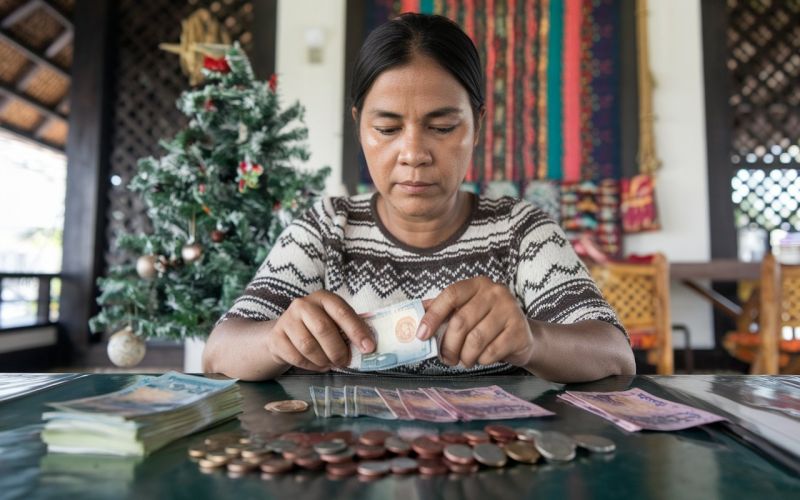
Life can surprise you at any time. A sudden illness in the family back home. A flight you need to book quickly. A problem with your documents. A small injury that means days without working. These are not things you plan for — but they happen.
An emergency fund is money you save specifically for moments like these. It is not for shopping, not for sending home every month, and not for things you want. It is for when something goes wrong and you need money fast.
If you do not have an emergency fund yet, this article will help you understand why you need one and how to start building it — even if your salary feels tight right now.
Why An Emergency Fund Is So Important
Without savings to fall back on, a single unexpected event can cause serious financial damage. Many caregivers end up borrowing money — from friends, from lending apps, or from informal lenders — when an emergency hits. This borrowing often comes with high interest or creates conflict with people close to you.
An emergency fund means:
- You do not have to borrow money when something goes wrong
- You can handle a crisis without panic
- Your regular savings and money sent home stay untouched
- You feel more secure and less anxious about the future
How Much Should You Save?
Financial experts often say an emergency fund should cover 3 to 6 months of your basic expenses. But if that number feels too large and overwhelming right now, start much smaller.
A good first goal for caregivers: save ₪1,500 to ₪3,000 as quickly as possible.
This amount can cover a basic flight change fee, a small medical expense, or a short period without income. Once you reach this amount, you can keep building slowly toward a bigger target.
How to Start When Money Feels Tight
Many caregivers feel they cannot save because there is nothing left after sending money home and covering daily expenses. This is a real challenge. But small savings still count.
Try the "Save First" Method
Instead of saving whatever is left at the end of the month (which is often nothing), put a small amount away as soon as you receive your salary — before you spend or send anything. Even ₪100 or ₪150 per month adds up over time.
- ₪150 per month = ₪1,800 after one year
- ₪200 per month = ₪2,400 after one year
- ₪300 per month = ₪3,600 after one year
Open a separate bank account or use a separate envelope just for emergency savings. When your emergency fund money is mixed with your regular money, it is much easier to spend it by accident.
Cut One Small Expense
Look honestly at where your money goes each month. Is there one thing — even small — you could reduce? A subscription you barely use, extra mobile data you do not need, or food deliveries that could be replaced with home cooking on your day off?
You do not need to stop enjoying your life. Just find one small cut and redirect that money into your emergency fund.
When Can You Use the Emergency Fund?
This is important: be strict about what counts as an emergency.
An emergency fund is for:
- A sick family member who needs money urgently
- Emergency travel back home
- Medical expenses for yourself
- Unexpected job loss or gap between jobs
- A serious problem with your documents or legal situation
It is NOT for:
- New clothes or gadgets
- A birthday gift you could plan and save for separately
- Everyday expenses that you should budget for monthly
If you use your emergency fund for something, make it a priority to refill it as soon as possible. The fund only works if the money is there when you truly need it.
Protect Your Fund from Family Pressure
One of the hardest challenges for migrant workers is that family at home sometimes ask for money beyond what you regularly send. While you want to help, giving away your emergency fund can leave you dangerously unprepared.
It is okay to say: "I am sorry, I cannot send extra right now. I have to keep this for an emergency." You do not always have to explain every detail of your finances. Protecting yourself financially is not selfish — it is responsible.
Building an emergency fund takes time and discipline, but even small steps forward matter. You are already doing something remarkable by working hard in a foreign country to support your family. Adding this one financial habit can protect everything you have worked for. Start with whatever you can — even a small amount — and keep going. The peace of mind that comes from having a safety net is worth every shekel saved.


Read more about Money & Investments

Money & Investments
Debt Management for Migrant Workers: How toReduce Loans and Personal Debt
Read More
Money & Investments
Understanding Your Vacation and Recuperation Benefits in Israel (Updated April 2026)
Read More
Money & Investments