Meal Planning for Elderly Patients: A Caregiver’sGuide to Healthy Nutrition

iSavta | 02.10.2026
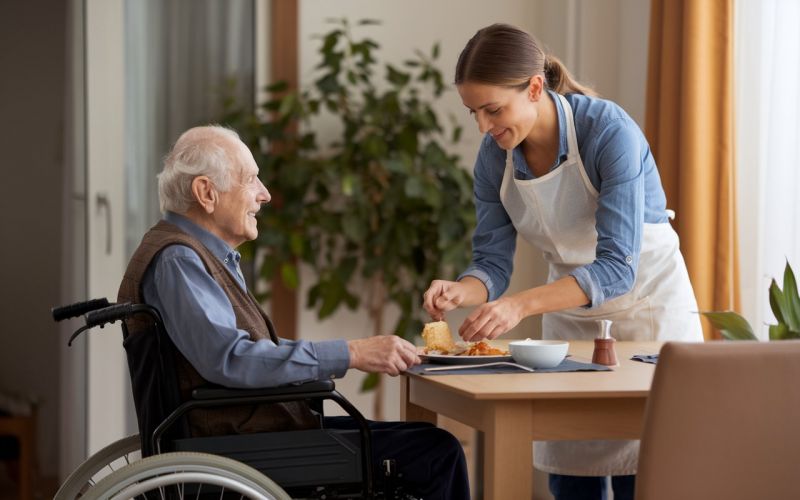
As people get older, their nutritional needs can change. Some elderly people may eat less because of areduced appetite, difficulty chewing or swallowing, changes in taste, illness, or medication side effects.Others may have medical conditions that require changes to their diet.
For caregivers, helping an elderly person eat well is an important part of daily care. Meal planning forelderly patients is not simply about preparing food. It is about making sure the person receives enoughnutritious food and fluids while considering their health, preferences, abilities, and dietary needs.
A good meal plan can help support strength, energy, and overall well-being.
Understand the Elderly Person's Nutritional Needs
Before planning meals, caregivers should understand the person's individual needs.
An elderly person may have diabetes, high blood pressure, heart disease, kidney problems, highcholesterol, or other medical conditions that affect what they should eat.
Some may also have allergies or food intolerances.
Ask the elderly person's doctor, dietitian, or other healthcare professional if there are specific dietaryrequirements. Do not assume that a diet that is healthy for one person will be appropriate for everyone.
The caregiver should also know whether the person has difficulty chewing or swallowing.
Plan Balanced Meals
A balanced diet should include a variety of foods rather than relying on the same meals every day.
Depending on the person's dietary needs, meals can include:
- Vegetables and fruits
- Whole grains
- Eggs, fish, poultry, beans, or other protein sources
- Milk, yogurt, or other suitable dairy products
- Healthy sources of fats
- Plenty of fluids
Protein is particularly important because it helps maintain muscle and strength. Good sources include eggs,fish, chicken, lean meat, beans, lentils, yogurt, and other protein-rich foods.
The exact amount and type of food an elderly person needs depends on their individual health andnutritional requirements.
Consider Appetite and Portion Size
Some elderly people simply do not feel as hungry as they used to.
Large portions can sometimes feel overwhelming. Instead of insisting on three large meals, smaller mealsor nutritious snacks throughout the day may be easier for some people.
For example, a caregiver might offer:
Breakfast: Egg, whole-grain bread, fruit, and milk
Mid-morning snack: Yogurt or fruit
Lunch: Fish or chicken, vegetables, and rice
Afternoon snack: A small sandwich or nutritious snack
Dinner: Soup with vegetables and protein, with a suitable side
The goal is not to force someone to eat a large amount at once. The goal is to provide regular opportunitiesto eat nutritious food.
If a person has persistent loss of appetite or unexplained weight loss, inform their healthcare provider.
Make Food Appealing
Taste and smell can change as people age. Some elderly people may complain that food does not taste asgood as it used to.
Presentation can make a difference.
Try offering different colors, textures, and flavors while staying within the person's dietary restrictions.
Use herbs, spices, lemon, garlic, or other appropriate seasonings instead of automatically adding more saltor sugar.
Food should also look appetizing. A colorful plate with vegetables, protein, and other suitable foods can bemore appealing than a plate containing only one type of food.
Follow Special Diets Carefully
Some elderly patients need special diets because of medical conditions.
For example, a person with diabetes may need to monitor carbohydrate intake. Someone with high bloodpressure may need to reduce sodium. Another person may require a specific diet because of kidney diseaseor another medical condition.
Caregivers should follow the dietary instructions provided by the healthcare professional.
Avoid making major dietary changes based only on information found online. If you are unsure whether aparticular food is appropriate, ask the doctor or dietitian.
Pay Attention to Hydration
Older adults may not always feel thirsty, even when their bodies need fluids.
Dehydration can contribute to problems such as weakness, dizziness, confusion, and constipation.
Offer suitable fluids regularly throughout the day, unless the person has been instructed to restrict fluidsfor a medical reason.
Water is usually the simplest choice, but other appropriate drinks and foods with high water content canalso contribute to fluid intake.
Caregivers should know if the elderly person's doctor has recommended a fluid restriction.
Consider Difficulty Chewing or Swallowing
Dental problems, missing teeth, dentures, or swallowing difficulties can make eating uncomfortable orunsafe.
If chewing is difficult, softer foods may be easier to eat. Depending on the person's needs, this mightinclude soft vegetables, eggs, yogurt, porridge, tender fish, or appropriately prepared meat.
However, swallowing difficulties require special attention.
If an elderly person frequently coughs or chokes while eating or drinking, has a wet or gurgly voice afterswallowing, or seems to have difficulty swallowing food, tell their healthcare provider. They may need aprofessional swallowing assessment.
Do not simply change the texture of food without appropriate guidance when a swallowing problem issuspected.
Respect Food Preferences
Nutrition is important, but food is also connected to comfort, culture, memories, and enjoyment.
Whenever possible, include the elderly person's favorite foods and familiar meals while keeping theirdietary requirements in mind.
Ask what they like and dislike. Some people may prefer traditional foods they have eaten throughout theirlives.
Giving them choices can also help them feel more involved and independent.
Instead of asking, "What do you want to eat?" when they may find an open-ended question difficult, tryoffering two suitable choices: "Would you like fish or chicken for lunch?"
Be Aware of Medication and Food Interactions
Some medications may need to be taken with food, while others may have specific instructions about foodor drinks.
Certain foods and supplements can also interact with medications.
Caregivers should follow the medication instructions provided by the doctor or pharmacist and ask if thereare foods or drinks that should be avoided.
This is especially important when the elderly person takes several medications.
Watch for Changes in Eating Habits
Caregivers are often in the best position to notice changes in an elderly person's eating habits.
Pay attention if the person:
- Suddenly eats much less
- Refuses food regularly
- Has difficulty swallowing
- Loses weight without trying
- Becomes unusually tired or weak
- Drinks much less than usual
- Frequently becomes nauseous
- Has ongoing digestive problems
These changes should be discussed with the appropriate healthcare professional.
Loss of appetite can sometimes be related to illness, medication, dental problems, depression, or otherissues that need attention.
Good Nutrition Is Part of Good Care
Helping an elderly person maintain good nutrition is one of the most important responsibilities of acaregiver.
A healthy meal plan should be practical, enjoyable, and appropriate for the person's individual healthneeds. It should provide nutritious food and adequate fluids while respecting the person's preferences andabilities.
Caregivers do not need to create complicated meals. Simple, balanced, familiar foods can often be a goodchoice.
Most importantly, remember that nutrition for elderly patients is not one-size-fits-all. When an elderlyperson has a medical condition, significant weight changes, swallowing difficulties, or special dietaryrequirements, consult their doctor or a qualified dietitian.
By planning meals carefully and paying attention to changes in appetite, hydration, and eating habits,caregivers can help elderly people stay nourished, comfortable, and as healthy and independent aspossible.