Safety First: A Guide for Caregiver Workers in Israel During the Iran-Israel Escalation

iSavta | 02.03.2026
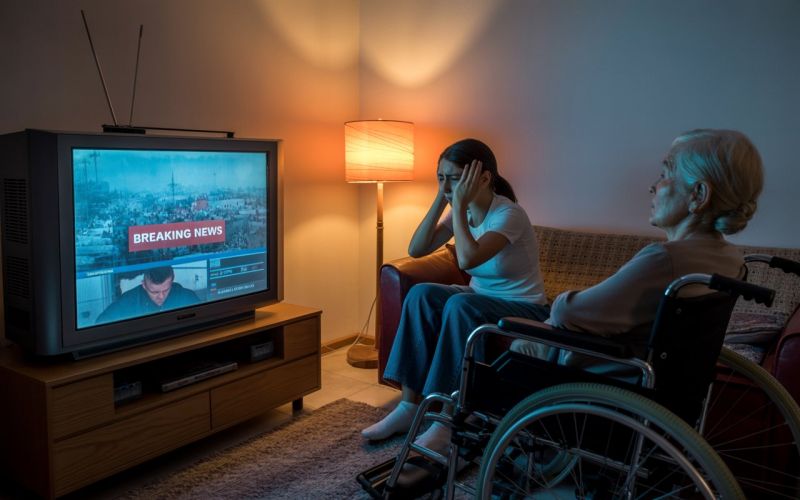
The ongoing clash between Israel and Iran has been marked by aerial strikes, retaliatory missile fire, and a nationwide state of emergency in Israel. Schools and places of worship have been closed, public gatherings banned, and the government urging all residents — including foreign nationals — to remain vigilant and follow safety protocols.
For caregiver workers — whether live-in domestic helpers, health aides, or community caregivers — the escalation presents both emotional stress and pressing logistical concerns. Here’s what you need to know and do to stay safe:
Current Security Situation
The conflict began with a joint strike by Israel and the United States against Iranian interests, which triggered Iran’s retaliation with missiles aimed at Israeli and allied targets. Israel responded with robust civil defense measures, including mobilizing emergency services and closing schools and public workplaces.
For those far from the immediate battlegrounds, the risk of direct conflict is lower — but uncertainty remains. Countries with large Filipino and other foreign worker populations in the region have issued advisories wanting people to remain indoors unless absolutely necessary and to follow local alerts and instructions.
Safety Tips for Caregiver Workers
-
Stay Informed Through Official Channels
Check regularly with the Philippine Embassy or your own country’s diplomatic mission for up-to-date safety advice. They often issue messages in multiple languages and help coordinate emergency support. -
Learn Local Civil Defense Alerts
Israel’s Home Front Command issues real-time alerts for air raids or missile threats. These alerts specify when to seek immediate shelter, how long it’s expected to last, and where safe rooms are located. -
Know Your Shelter Plan
Identify the nearest bomb shelter, reinforced room, or safety zone to your home or workplace. If you’re unsure, ask your employer or neighbours to show you the recommended route. Keeping a small bag with essentials (water, snacks, documents, phone charger) can be very helpful. -
Avoid Unnecessary Travel and Public Places
Public gathering spaces — including markets, event venues, or places of celebration — have increased risk during periods of tension. Avoid these unless you must. Staying indoors or near secure rooms is advised. -
Communicate with Your Employer and Family
Keep open lines of communication with your employer about your safety plan. Let family back home know your location and safety status regularly. -
Prepare Mental and Emotional Tools
High stress can affect decision-making. Plan calming routines, stay connected with friends, and use support networks — whether religious groups, community organizations, or coworker support circles.
What Embassies Are Doing
Some governments have activated emergency hotlines and advisories for their citizens in the region. They urge residents to avoid public areas, monitor official news, and follow the guidance of local authorities. In many cases, they reassure that so far there have been no reports of foreign workers being harmed, but that caution is essential.
In conflict environments, staying calm, prepared, and connected is key — and can make a real difference in staying safe.


Read more about News and Announcements
News and Announcements